The Dangers of Untreated Cavities
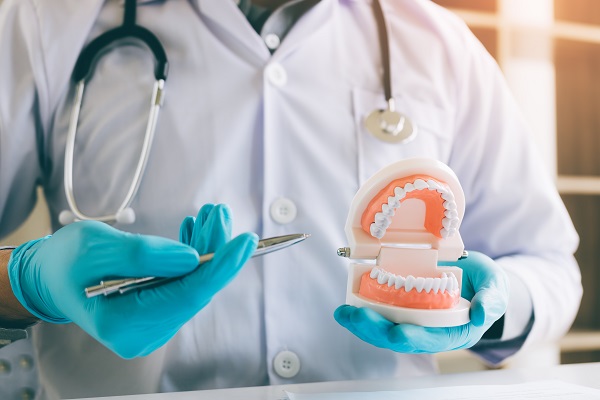
Also known as tooth decay, a cavity refers to a hole in your tooth. One of the common causes of cavities is having food particles stuck in between the teeth, which is why it is so important to floss every day. Two of the more common symptoms that come with having a cavity include tooth sensitivity and tooth pain. Know that while a cavity may start out small, if a dentist does not treat it as soon as possible, it will continue to get bigger. If you think you have a cavity in one or more of your teeth, the sooner you seek treatment, the better.
Can anyone get cavities?
Yes, it is possible for anyone to be diagnosed with a cavity in one or more of their teeth, even infants. According to the Mayo Clinic, tooth decay and cavities are two of the more common health problems in the world. Even when someone brushes and flosses their teeth twice a day as recommended, it is still possible that they can get a cavity. This is why it is so essential for everyone to see a dentist on a regular basis, as a dentist will know whether or not a cavity is present even if the patient does not.
Options for treating cavities
When a dentist treats a cavity, choosing the ideal treatment option will depend on the overall condition of the tooth. While the majority of dental patients will get a filling to repair the cavity in the tooth, other repair options include crowns and getting a root canal. If the tooth is too damaged by the cavity, then it will need to be extracted.
The dangers of untreated cavities
If a cavity is left untreated, it is highly likely that the dental patient will have ongoing tooth pain, which is going to get in the way of their being able to perform everyday tasks, like chewing food. Other dangers that come with not treating a cavity include being at a higher risk for chipping the jeopardized tooth, developing pus pockets around the tooth and being diagnosed with a tooth abscess, which can potentially be life-threatening if it enters the bloodstream.
Think you might have cavities?
If you think you might have cavities, then we invite you to contact us now to make an appointment so you can know for sure. Everyone has bacteria in their mouth, which love to stick to your teeth. When these bacteria are not removed as soon as possible, they will begin to turn any sugars in the mouth into acids. These acids will slowly eat away at your tooth enamel, which means that your mouth is not as healthy as it should be. When your teeth are not protected, it can not only negatively affect your oral health, but your overall general health, as well. Talk to one of our dental health professionals today.
Are you looking for info on cavities in the Henderson area? Get more Cavities information at http://www.hendersonfamilydentistry.com.
Check out what others are saying about our services on Google: Read our Yelp reviews.
Related Posts
You may need a dental crown, but it all depends on your root canal treatment. Your dentist will be able to tell you if you need dental work beyond the treatment. Needing a crown is determined by the location and severity of the root canal. Crowns can be recommended because they protect your existing teeth…
Root canal treatment may seem intimidating at first, but the more prepared you are the less likely you are to experience anxiety. Continue reading to learn how to prepare for this procedure. The following review discusses three tips you can use to prepare properly ahead of your scheduled root canal treatment.You can prepare for a…
Root canal treatment is often the best (or only) way to deal with an abscessed tooth that results from a tooth infection. This review discusses the role root canal treatment plays in treating an abscessed tooth and what you can expect throughout the diagnostic and treatment processes.An abscessed tooth can affect one’s ability to function…
A root canal treatment is capable of retaining the natural tooth structure and replacing the damaged pulp with a dental filling. This procedure has a reputation of being painful. Even so, many people still have it. If you want to know how common a root canal treatment is, here are the details.Studies show that dentists…