Orthodontics: Teeth-Straightening Options From a General Dentist
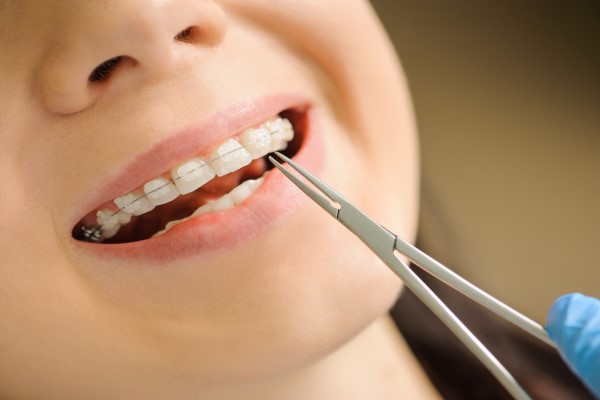
A general dentist can offer many services to preserve patients' oral health, and orthodontics for teeth straightening may be included in that list. Orthodontics, or the process of aligning teeth and fixing the bite, can have a greater purpose than just aesthetics.
In addition to beautifying a patient's smile by aligning their teeth, a general dentist will often use orthodontic principles to ensure that all surfaces of the teeth are easily reachable for brushing and flossing. If you are exploring teeth straightening options, start by asking your general dentist what works well with your dentition.
How a general dentist can straighten teeth with orthodontics
When their teeth are straight, patients can better brush and floss them, reducing tooth decay and gum disease. The most common methods that general dentists might use to straighten teeth are as follows.
Braces
Once the most common method for bringing teeth back into alignment, braces remain popular because they are effective for most patients. With the braces method, patients get metal brackets cemented onto their teeth using a specialized dental bonding agent. Inside these brackets are wires that are tightened until they exert pressure on the teeth, pulling or pushing them into new positions gradually over time.
Braces require frequent adjustments, usually every few weeks, to continue tightening the wires as the teeth move. Many people enjoy braces for their creativity, as the brackets can be outfitted with custom-colored bands to show off a patient's personality. However, braces are easily visible, which can leave some people feeling self-conscious.
Once the teeth are in the proper alignment, the brackets can be removed, and the teeth will be polished so they are smooth and shiny again. Patients should brush thoroughly around the brackets to prevent staining or decalcification while treatment is underway.
Aligners
Another option for teeth straightening is the use of clear aligners. These dental trays are customized and shaped to each patient's teeth to provide the best results. Like braces, aligners will exert pressure on the teeth over time, causing them to shift in position. However, the mechanism of this process is different; rather than using wires, the rigid shape of the aligner itself is used to push the teeth. This is why it is critical that the trays be custom-fitted for the patient.
One of the biggest challenges with aligner trays is that they require significant patient responsibility. The trays should be worn for at least 22 hours per day, which means patients must keep them in during sleep and at all other times, except when eating or drinking anything besides water. For those who may struggle to adhere to this restriction, aligners may not be a good choice.
Patients who anticipate no problems with wearing aligners can expect to get new trays every few weeks. These keep the teeth moving until they are in their proper positions. All aligner trays are created at the beginning of treatment, so patients need to follow the plan closely.
Veneers
While veneers do not change the placement of the teeth in the mouth, general dentists can use them to achieve a visual tooth-straightening effect for those whose primary interest is the aesthetic of their smile. Veneers are shell-like coverings for the fronts of teeth that can be crafted into shapes to make crooked teeth look straight again.
Veneers often require the removal of a small layer of enamel, so if a patient chooses veneers, they will need to continue getting veneers (or other coverings, such as bonding) for the rest of their life. However, one of the advantages of adjusting a smile with veneers is that they can fix minor misalignment, such as gaps, and cover blemishes, such as stains. Just remember that veneers do not cause the teeth to shift, so they are not a suitable treatment for those who need teeth straightening due to oral hygiene and bite issues.
Straighten your teeth
If you are self-conscious about the alignment of your teeth or if you are experiencing issues with your bite or oral health because of the way that your teeth are positioned, straightening is often the most straightforward option. A general dentist can help you choose the straightening option that will work best for your dental alignment. Contact our general dentist to ask any questions that you might have, to get your concerns addressed, or to schedule an appointment to get started on your path to a straighter smile!
Request an appointment here: http://www.hendersonfamilydentistry.com or call Henderson Family Dentistry at (903) 657-3139 for an appointment in our Henderson office.
Check out what others are saying about our services on Yelp: Read our Yelp reviews.
Related Posts
You may need a dental crown, but it all depends on your root canal treatment. Your dentist will be able to tell you if you need dental work beyond the treatment. Needing a crown is determined by the location and severity of the root canal. Crowns can be recommended because they protect your existing teeth…
Root canal treatment may seem intimidating at first, but the more prepared you are the less likely you are to experience anxiety. Continue reading to learn how to prepare for this procedure. The following review discusses three tips you can use to prepare properly ahead of your scheduled root canal treatment.You can prepare for a…
Root canal treatment is often the best (or only) way to deal with an abscessed tooth that results from a tooth infection. This review discusses the role root canal treatment plays in treating an abscessed tooth and what you can expect throughout the diagnostic and treatment processes.An abscessed tooth can affect one’s ability to function…
A root canal treatment is capable of retaining the natural tooth structure and replacing the damaged pulp with a dental filling. This procedure has a reputation of being painful. Even so, many people still have it. If you want to know how common a root canal treatment is, here are the details.Studies show that dentists…